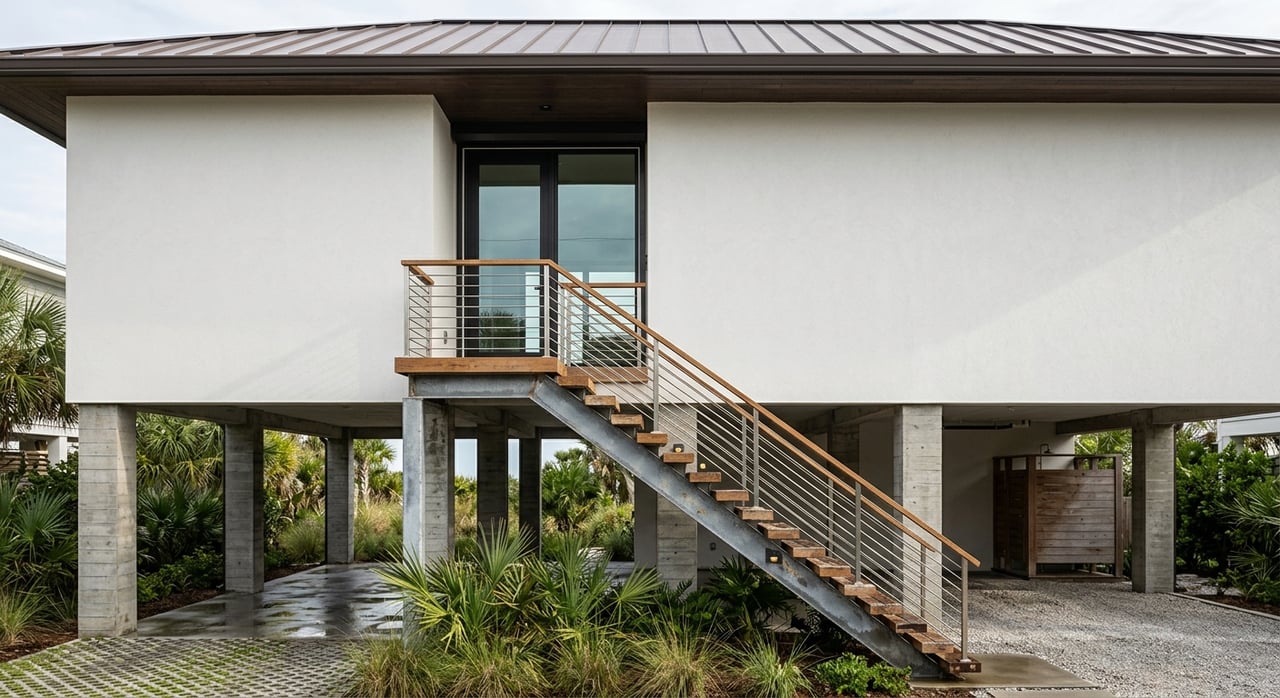
Relocating To Key Largo From The Mainland
April 23, 2026
April 23, 2026
Thinking about trading mainland convenience for island life in Key Largo? It can be an exciting move, but it also comes with real day-to-day differences that are easy to underestimate until you live them. If you are considering a full-time or part-time relocation, understanding costs, access, insurance, utilities, and storm planning can help you make a smarter decision and feel more confident about the move. Let’s dive in.
Key Largo is not a large mainland suburb with endless road options and broad housing inventory. It is a census-designated place in Monroe County with 12,447 residents and 12.05 square miles of land, which makes location-specific details matter more than many buyers expect.
That smaller footprint affects everyday life in practical ways. Access routes are more limited, elevation and flood exposure can vary from one property to the next, and infrastructure questions like sewer connection and storm readiness deserve close attention before you buy.
The local population mix may also feel different from what you are used to on the mainland. Census data shows a larger share of residents age 65 and older in Key Largo than in Florida overall, which can shape the overall rhythm and feel of the community without defining it as any one type of market.
For many mainland buyers, the biggest adjustment is not groceries or dining. It is housing and the total monthly cost of ownership.
According to the U.S. Census QuickFacts for Key Largo, the median value of owner-occupied homes is $643,900 in Key Largo compared with $359,000 statewide. Median gross rent is also higher at $1,887 in Key Largo versus $1,669 across Florida, and median monthly owner costs with a mortgage run $2,627.
Income is also higher than the statewide baseline, but the gap is smaller than the jump in housing costs. Key Largo’s median household income is $85,778, which means many buyers still feel pressure once they add insurance, utilities, and storm-related expenses to the monthly budget.
If you are relocating from the mainland, it helps to build a budget around the full ownership picture, including:
One of the biggest lifestyle changes in Key Largo is how you think about movement. On the mainland, you may be used to multiple routes, alternate roads, and a more forgiving commute pattern.
In the Upper Keys, access is more limited. Monroe County’s transit system shows Dade-Monroe Route 301 connecting Florida City with Key Largo, Tavernier, Islamorada, and Marathon seven days a week, while Route 302 serves Card Sound to Ocean Reef in North Key Largo.
That means having a backup transportation plan is not just helpful. It is part of living here responsibly, especially if you commute to the mainland regularly, travel often, or need flexibility during weather events.
If Card Sound Road is part of your routine, there are a few details to understand upfront. Monroe County’s Card Sound Toll Authority page states that tolls are electronic only, cash is not accepted, and the current two-axle rates are $2.13 with SunPass and $3.18 with Toll-by-Plate as of Oct. 1, 2025.
The same county page also notes that tolls are suspended during mandatory hurricane evacuations and if the 18-Mile Stretch is closed. For many buyers, that is a clear reminder that road access in the Keys is closely tied to weather conditions and emergency planning.
A move to Key Largo usually means becoming more proactive about hurricanes than you may have been on the mainland. This is not about alarm. It is about being prepared and knowing what ownership really involves.
Monroe County uses a phased evacuation system and advises residents to choose a destination before getting on the road. The county’s evacuation guidance also recommends mapping your route, fueling early, packing medications and documents, securing your home, and planning for pets.
After a storm, reentry does not always happen right away. Monroe County’s reentry guidance explains that access depends on location, damage, and whether roads and services are safe, and it notes that storms can interrupt electricity, water, sewer, fuel, food access, prescriptions, internet, and cell service.
If you work remotely, have school-age children, travel frequently, or split your time between homes, this is one of the most important adjustments to understand. In Key Largo, self-sufficiency and planning ahead are part of the lifestyle.
If you are buying in Key Largo, insurance should be part of your search early, not something you sort out at the end. That is especially true for waterfront, canal-front, and low-lying properties.
FEMA states that most homeowners insurance does not cover flood damage and that flood insurance is a separate policy. FEMA also notes that homes in high-risk flood areas with government-backed mortgages must carry flood insurance, and NFIP policies typically have a 30-day waiting period.
Monroe County’s flood information page reinforces that homeowners insurance does not cover floods. As you compare homes, it is wise to check the flood zone, review elevation information if available, and request insurance quotes before you make an offer so you understand the true carrying cost.
In Key Largo, the right property questions often go beyond finishes and square footage. You should also ask about the systems and features that affect resilience and long-term upkeep.
Important topics include:
Monroe County’s evacuation guidance says residents should install shutters or board up windows before leaving, and FEMA includes hurricane shutters and related protection in its wind-retrofit guidance. Those are practical details that can influence both peace of mind and ownership costs.
Mainland buyers often focus heavily on floor plans and views, but infrastructure can be just as important in the Keys. Before you close, you should verify how the home handles sewer service, internet access, and general utility needs.
Broadband adoption in Key Largo looks strong at the community level. Census data reports that 91.2% of households have a broadband subscription, which is encouraging for remote work. Still, community subscription rates do not confirm service quality at a specific address, so it is smart to verify service directly for any property you are considering.
Wastewater is another big topic. Monroe County explains that the state required advanced wastewater treatment systems across the island chain to eliminate septic tanks, illegal cesspits, and ineffective small treatment units.
That means you should confirm:
These are not small details. They can affect your closing costs, your monthly expenses, and your long-term planning for the property.
Not every move to Key Largo looks the same, and not every property fits the same lifestyle. One of the best ways to simplify your search is to think in terms of how you plan to live here.
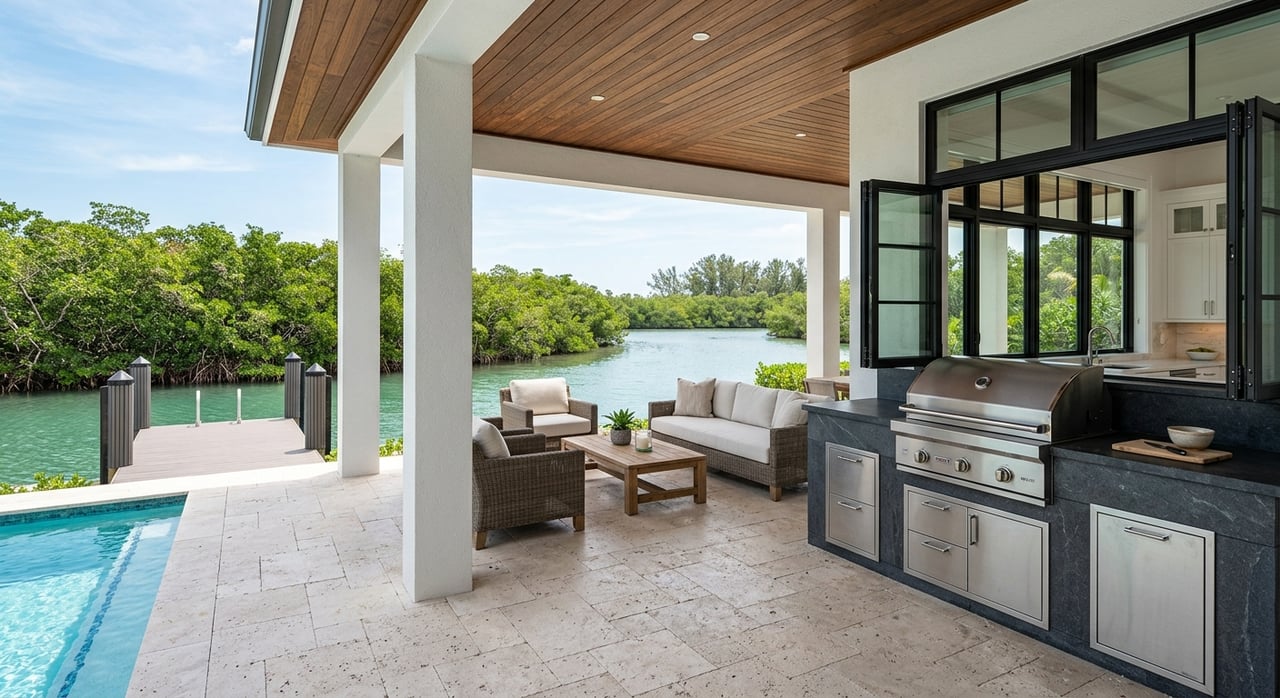
For many buyers, the most useful categories are waterfront homes, canal-front homes, condos, and dry-lot homes. Each one offers a different balance of access, maintenance, insurance exposure, and lifestyle convenience.
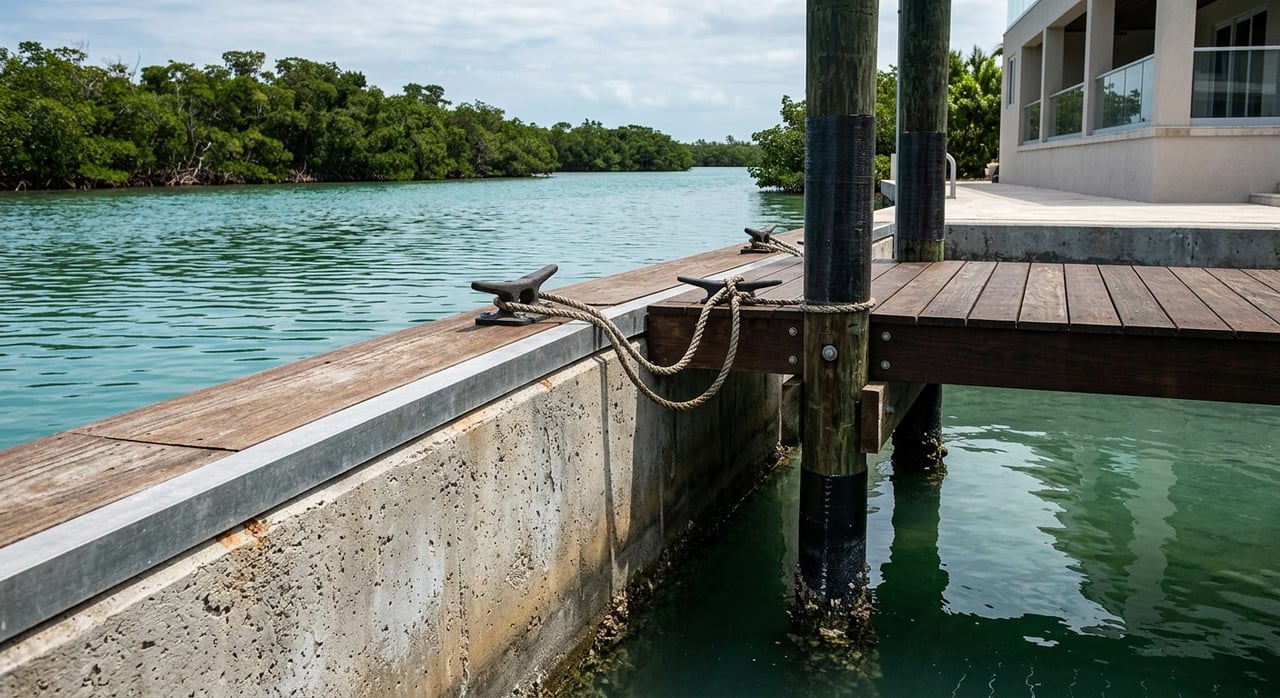
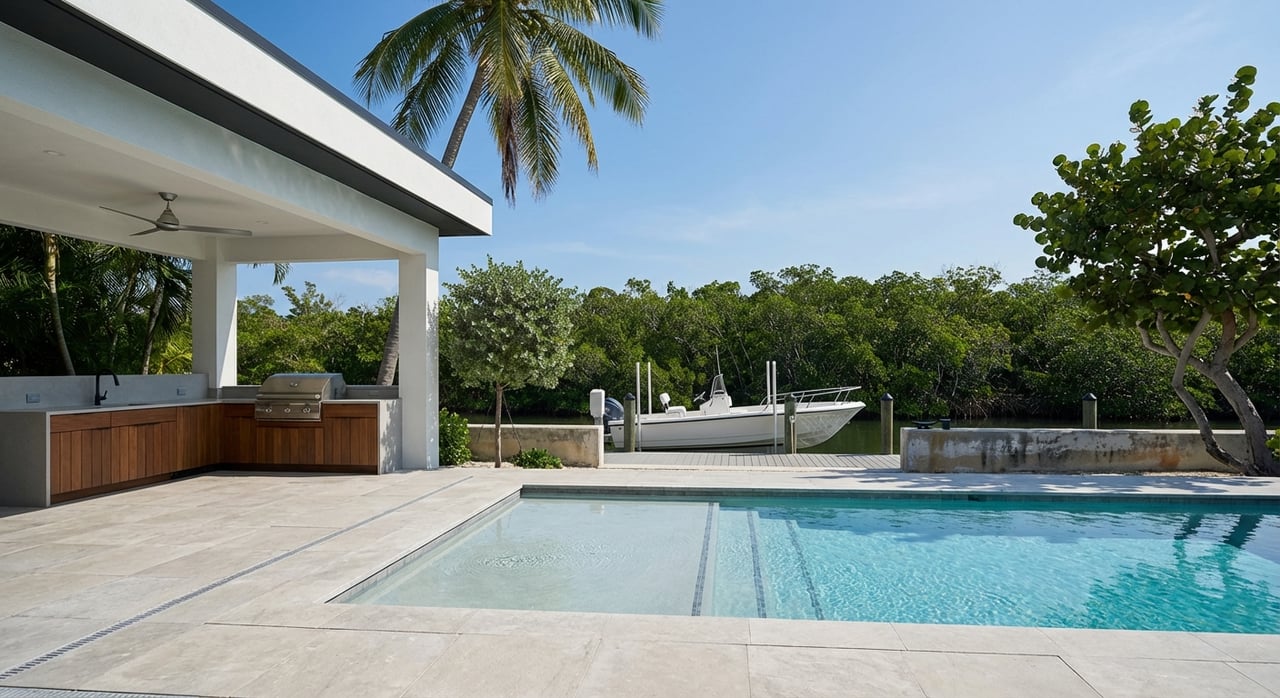
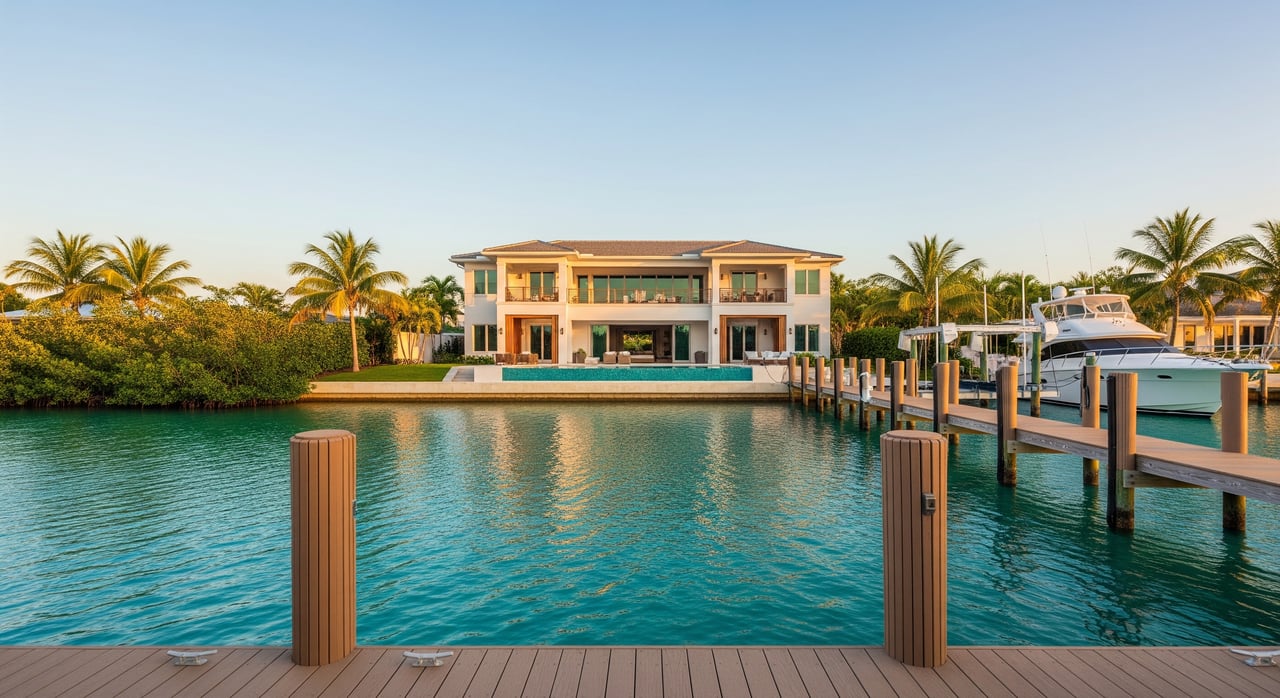
If boating, paddle access, or open-water views are high priorities, these homes can be a strong fit. They also usually require a closer look at dock condition, seawalls, lifts, exposure to weather, and the ongoing maintenance that comes with living close to the water.
Condos can appeal to buyers who want a more lock-and-leave setup. You will still want to review association rules, parking, storage, and any property-specific policies that affect how you plan to use the home.
Dry-lot homes may work well if you want the Key Largo lifestyle without direct waterfront maintenance. Even then, flood zone, elevation, access, and storm preparation are still key parts of the decision.
For many buyers, the practical trade-offs of island life are worth it because the setting is hard to match on the mainland. Key Largo offers a water-oriented lifestyle that feels distinct from typical suburban living.
John Pennekamp Coral Reef State Park is one of the best-known examples. Florida State Parks notes that it is the country’s first undersea park, spanning about 70 nautical square miles, with access to snorkeling, scuba diving, kayaking, fishing, camping, and mangrove areas.
That kind of environment is a major draw, especially if you value boating, diving, or simply being close to the water every day. The key is making sure the property you choose supports the version of Keys living you actually want, while also matching your comfort level with maintenance, preparedness, and access.
A smooth move to Key Largo usually comes down to asking better questions early. The more clearly you understand the property, the road access, the insurance picture, and the infrastructure setup, the easier it is to decide whether a home is the right fit.
A smart relocation checklist often includes:
If you are planning a move from the mainland, local guidance can make a big difference, especially when you are weighing waterfront details, storm-readiness features, and the real costs of owning in the Upper Keys. To talk through your options with a team that knows the nuances of island property firsthand, connect with Sally Stribling Luxury Group.
Stay up to date on the latest real estate trends.


We pride ourselves in providing personalized solutions that bring our clients closer to their dream properties and enhance their long-term wealth. Contact us today to find out how we can be of assistance to you!