Choosing The Right Key Largo Waterfront Neighborhood
February 5, 2026
February 5, 2026
Wondering which Key Largo waterfront neighborhood fits you best? With options that range from open-Atlantic views to calm bay waters and private canal docks, the right choice depends on how you boat, relax, and plan to use your home. If you know what to look for, you can narrow your short list with confidence and avoid costly surprises. In this guide, you’ll compare neighborhood types, learn key due-diligence steps, and get a clear path to a smart decision. Let’s dive in.
If you want fast runs to the reef for snorkeling, diving, or offshore fishing, the Atlantic-facing side is your shortest route. You’ll enjoy wide-open views and strong breezes, with conditions that can be choppier than the bay. Properties often feature seawalls, dock space, and construction aligned with hurricane-resistant codes.
Oceanfront is typically the premium tier for views and access. Yards may be shallower due to the seawall line, and beach-style sand is limited across the Keys. This side fits you if you prize ocean views and direct access to deep water.
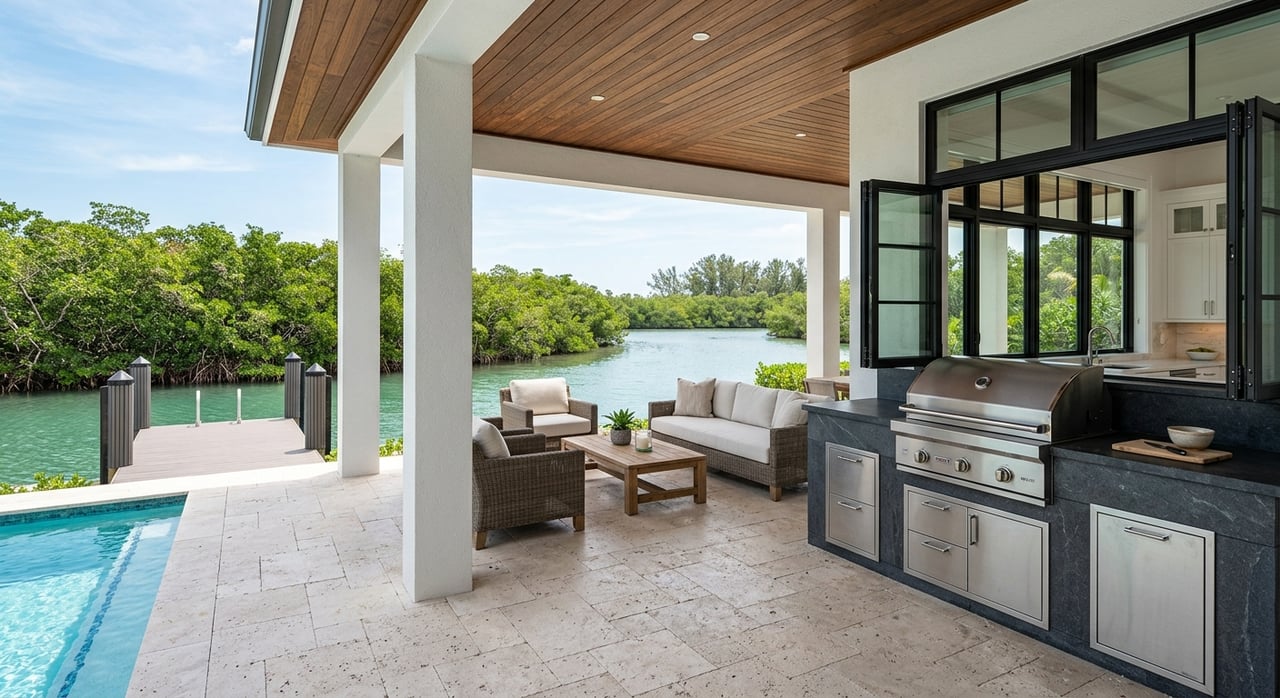
The bay side faces calmer, more protected waters that suit skiffs, flats boats, and family cruising. You can expect sunsets, bay vistas, and easier small-craft handling. It is a natural staging point for backcountry and flats fishing.
Pricing is often slightly lower than comparable oceanfront, though prime bayfront parcels can be highly valued. If you plan to paddleboard, kayak, or enjoy relaxed cruising, the bay side is a strong fit.
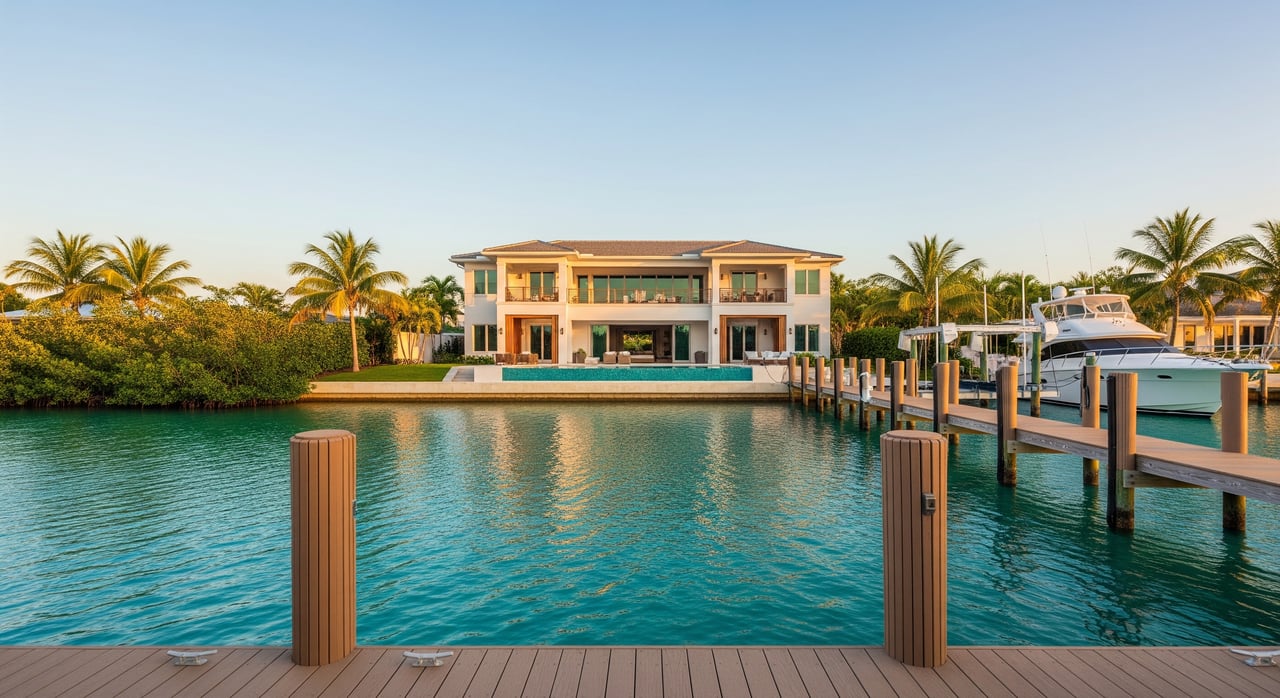
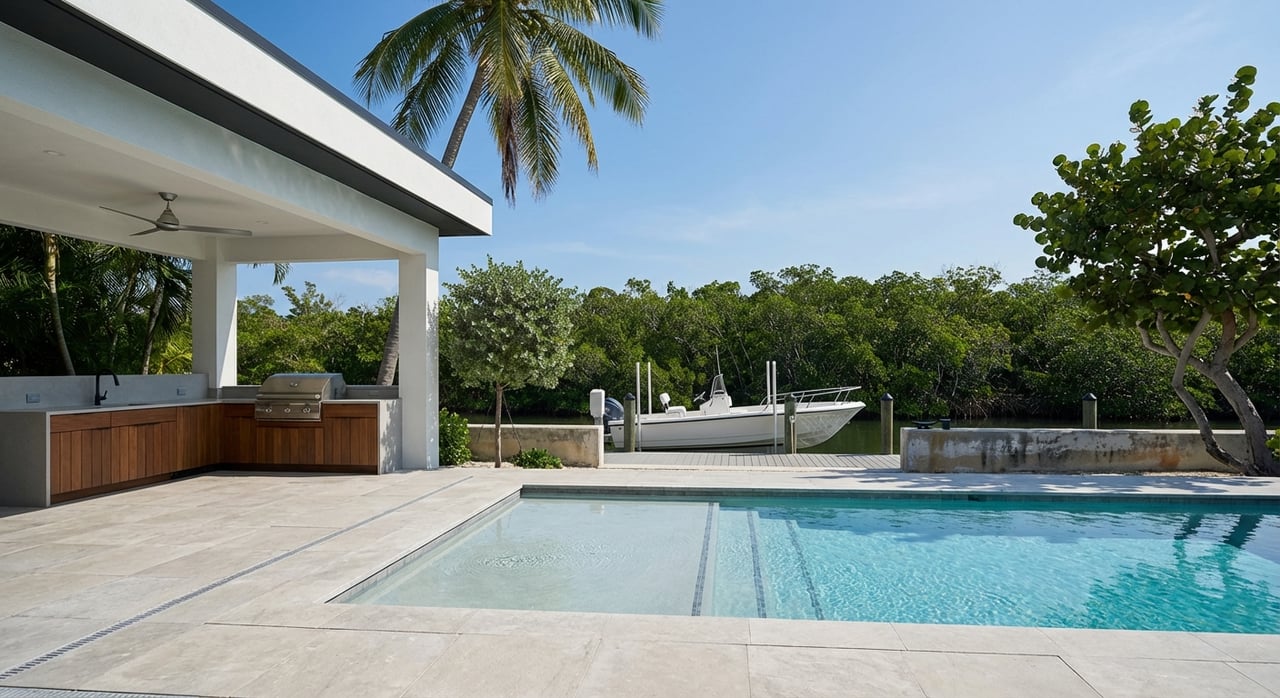
Canal-front homes offer door-to-dock convenience, private lifts, and quick daily access. Depth, width, and tidal flushing vary, so confirm measured depths and turning radius before you buy. Some canals allow larger vessels, while others are best for smaller boats.
This is usually a mid-range pricing tier compared with direct ocean or bayfront, with premiums for deep-water canals and direct channels. Choose canal-front if private dockage and everyday boating are your top priorities.
Marina settings can include condos, townhomes, or homes with access to on-site slips and professional services. You get fuel, maintenance, and guest slip options without the upkeep of a private dock. Slip assignment and rules typically follow HOA or marina policies.
Costs vary widely. A deeded deepwater slip can rival oceanfront pricing, while homes that rent slips may be more affordable than private-dock alternatives. This option is ideal if you want big-boat support and concierge-style services.
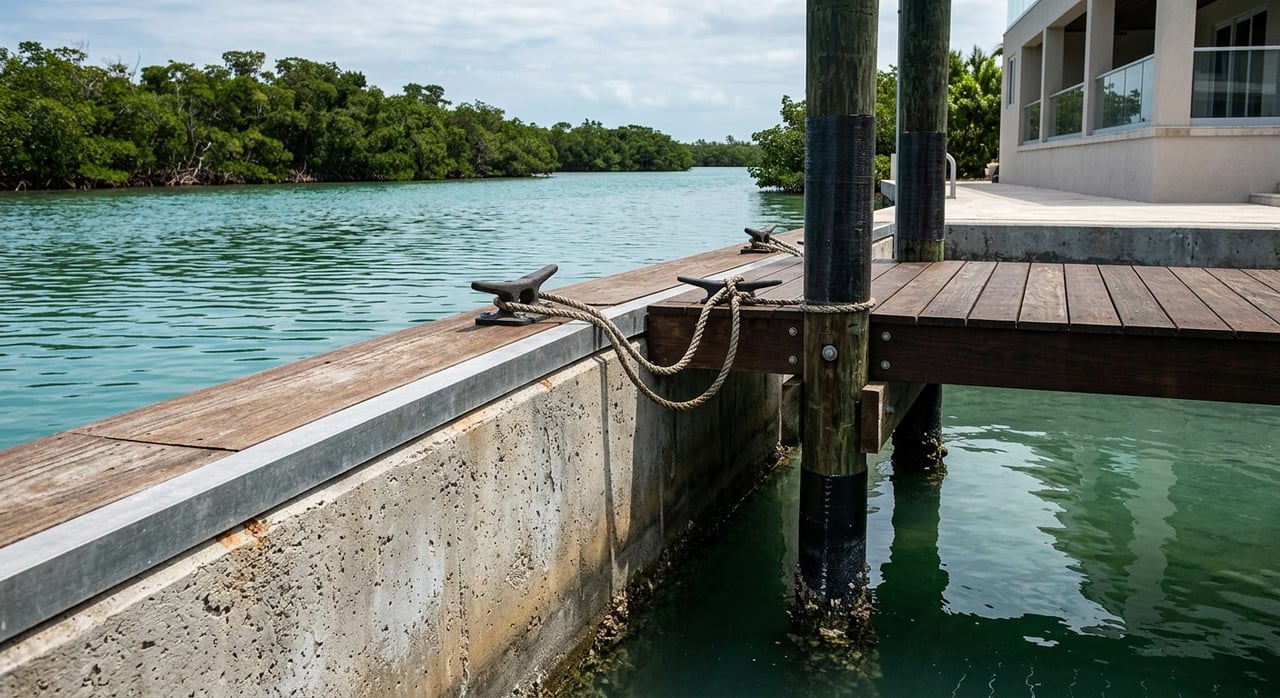
Any seawall work, dredging, dock installation, or mangrove trimming typically requires permits. Reviews can involve Monroe County, state agencies, and federal authorities. Mangroves and seagrass are protected resources, and compliance matters when buying and maintaining waterfront property.
Before you close, verify that existing docks and seawalls were built with proper permits and are in good standing. Ask for as-built drawings and recent condition surveys. If you plan future improvements, understand the likely timelines and approvals you will need.
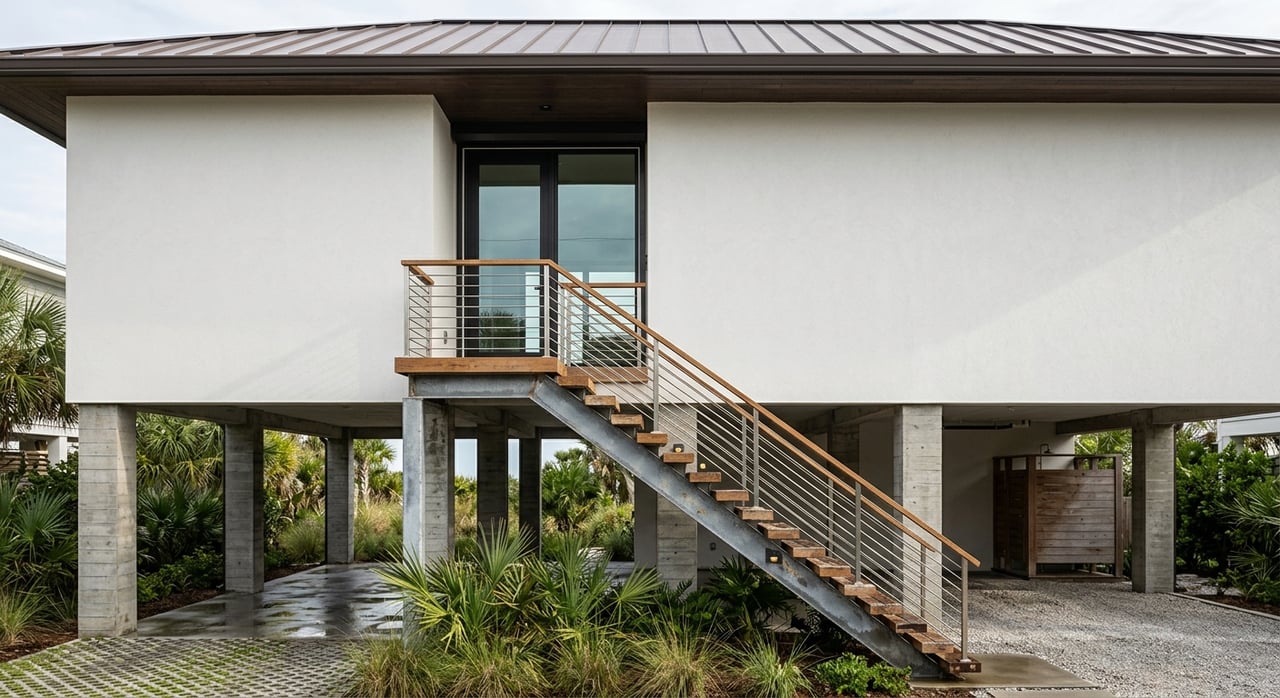
Key Largo properties face windstorm and flood risk, and most buyers carry both wind and flood policies. Flood premiums depend on FEMA flood zones, elevation, and mitigation features such as breakaway walls and flood openings. An elevation certificate can be a key factor in pricing and eligibility.
Request insurance quotes using the exact property address during due diligence. Consider how building codes, elevation, and storm-prep features affect long-term costs. Also review the lot’s height, drainage, and the area’s history of tidal flooding and surge.
Sewer service availability varies across the Keys, so confirm whether a home is on sewer or septic and whether any connection requirements apply. Ask about stormwater drainage, backup power options, and communications infrastructure. Overhead power is common, and many owners plan for generators and shutters.
Clarify who the utility providers are and whether any assessments or special districts affect the property. Understanding the infrastructure picture helps you plan upgrades and budget.
If you are considering short-term rentals, review Monroe County regulations, licensing requirements, and local zoning. HOA or marina rules may further limit transient use and occupancy. Verify the exact allowances for the property and neighborhood before counting on rental income.
Rental demand in Key Largo is supported by boating, diving, and Keys attractions. Success depends on compliance, guest access, and the property’s waterfront features, so align your investment plan with local rules.
Key Largo offers the quickest highway access to the mainland among the Upper Keys. Even so, commute times to Miami vary, and US 1 can be busy at peak periods. Plan your everyday routine around boat runs, grocery trips, and appointments.
Local services are available in Key Largo, with specialty resources often found on the mainland. Factor in proximity to marinas, fuel docks, medical care, and the stores you use most.
You deserve local, waterfront-savvy guidance as you choose between ocean, bay, canal, and marina settings. With deep Keys roots and a high-touch approach, we help you focus on the details that matter, from dock depth and turning basins to elevation certificates and HOA rules. Our team coordinates information with the right local resources so you can make a clear, confident choice.
If you are weighing lifestyle use alongside investment goals, we also understand rental rules and 1031 exchange timelines. When it is time to sell, premium listing presentation and global distribution help maximize value. When you are ready to explore the options that fit your boating, budget, and lifestyle, connect with the Sally Stribling Luxury Group.
Stay up to date on the latest real estate trends.

We pride ourselves in providing personalized solutions that bring our clients closer to their dream properties and enhance their long-term wealth. Contact us today to find out how we can be of assistance to you!