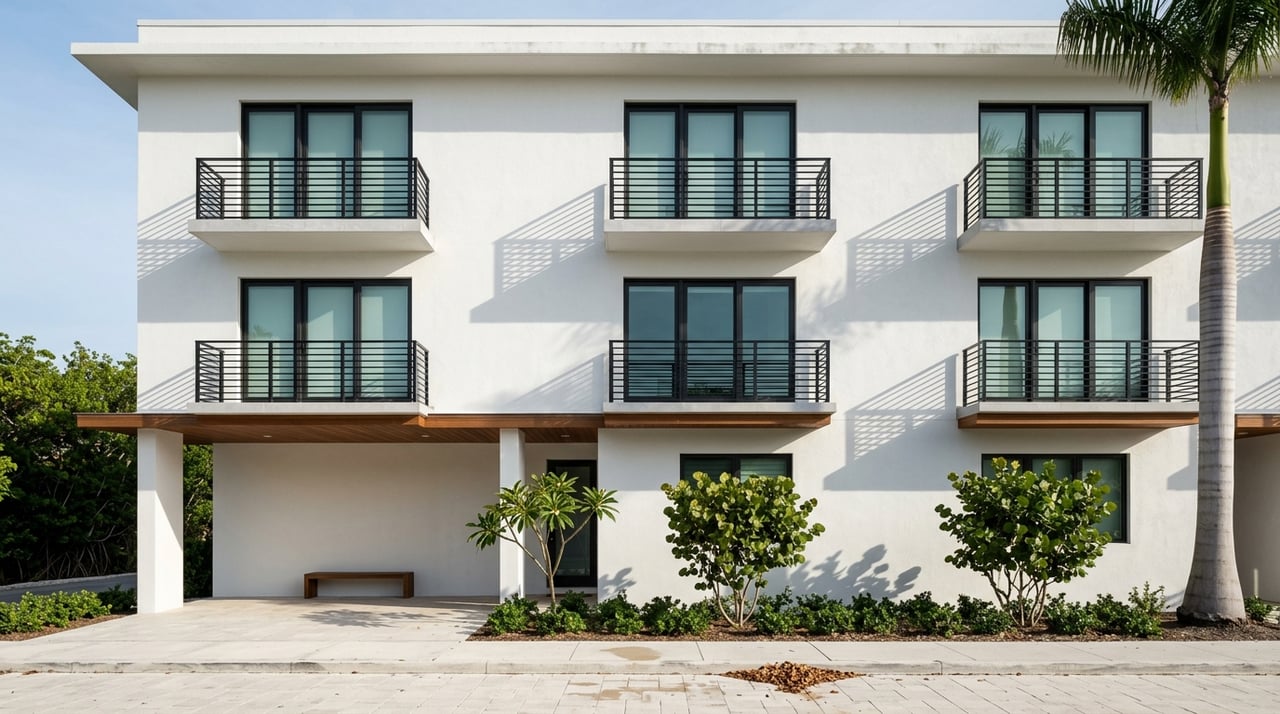
What To Know About Islamorada Condo Ownership
July 2, 2026
July 2, 2026
If you are thinking about buying a condo in Islamorada, it is easy to focus on the water views, boat access, and resort-style amenities first. But condo ownership in the Florida Keys comes with a different set of rules, costs, and responsibilities than owning a single-family home. When you understand how associations, insurance, reserves, and rental rules work, you can make a smarter decision with fewer surprises. Let’s dive in.
In Islamorada, condo ownership usually means you own the interior of your unit while the condominium association manages the common property and much of the exterior upkeep. That can reduce the hands-on work that often comes with a standalone home, especially in a coastal environment.
The tradeoff is shared governance. You typically agree to follow the condo declaration, bylaws, and rules, and you also pay your share of common expenses through regular assessments.
Florida law says associations are responsible for maintaining common elements and other condominium property assigned to them in the governing documents. At the same time, unit owners must pay assessments, comply with the rules, and allow reasonable access when repairs or maintenance are needed.
That is why it is so important to look closely at the declaration before you buy. Items like balconies, patios, windows, doors, shutters, and other limited common elements may be assigned differently from one community to the next.
In Islamorada, the condo documents often matter more than the finishes inside the unit. Two properties may look similar online, yet the ownership experience can be very different based on maintenance duties, rental limits, reserve strength, and insurance structure.
Some local condo communities publish detailed rules covering renovations, flooring sound requirements, parking, battery charging, pets, rental procedures, and occupancy limits. That does not mean every community has the same rules, but it does show how much variation you can expect.
Before you make an offer, you want to know exactly what you can do with the property and what the association expects from you. That is especially true if you plan to use the condo as a second home, seasonal getaway, or income-producing property.
Many Islamorada condo communities are shaped by waterfront living and a resort-style setting. Depending on the property, you may find features such as boat slips or marina access, heated pools, private beach access, clubhouses, fitness centers, and tennis or pickleball courts.
These amenities can add real value to daily use and resale appeal. They can also affect monthly dues, maintenance obligations, and the way the community operates.
For example, some local communities have published rental minimums and owner procedures that make it clear they are not operated like hotel-style properties. If flexible use is important to you, it is worth confirming those details early rather than assuming a waterfront condo can be rented the way you want.
Monthly condo dues in a coastal market like Islamorada usually cover more than basic landscaping or pool care. They may help fund ongoing maintenance, common-area operations, insurance costs, and reserve accounts for future repairs and replacements.
A lower monthly fee is not always a better deal. If an association is underfunded or has deferred reserve contributions, owners may face special assessments later.
Florida guidance makes that risk clear. If the association does not have enough reserves or needs to repair common property after an uninsured loss, unit owners can be assessed for their share.
That is why reviewing the budget, reserve information, and recent financial materials is so important. You want to understand not just what the dues are today, but whether the building appears prepared for tomorrow.
For many buyers, structural safety has become one of the most important parts of condo due diligence in Florida. Buildings that are three habitable stories or higher must have milestone inspections on a 30-year cycle, and local enforcement may require the first inspection at 25 years when local conditions, including saltwater proximity, justify it.
Residential condominiums with buildings three stories or higher must also complete a structural integrity reserve study at least every 10 years. For associations that existed on or before July 1, 2022, the deadline for the study was December 31, 2025, and associations that had been allowed to defer certain reserve funding generally had to begin funding those reserves by January 1, 2026.
For you as a buyer, this means it is smart to ask whether the inspection and reserve study have been completed, what repair recommendations were made, and whether those costs are already funded. Those answers can directly affect your future ownership costs.
Insurance deserves extra attention in Islamorada because wind and flood exposure are part of the local ownership picture. A condo association may carry a master policy, but that does not mean it covers everything inside your unit.
According to the Florida Chief Financial Officer’s guidance, an HO-6 policy typically covers your personal property, liability, and certain interior building items not covered by the association’s master policy. Florida law also requires at least $2,000 of loss-assessment coverage with a deductible no higher than $250.
Flood coverage is separate. The same state guidance explains that homeowners insurance does not cover flood damage, and NFIP flood policies generally have a 30-day waiting period unless the policy is purchased in connection with a loan or assumed by a new owner.
This is one area where details matter. You will want to ask about the association’s master-policy deductibles, what the board expects owners to carry individually, and whether any recent claims have affected premiums or deductibles.
Hurricane preparation is not just a lifestyle issue in the Keys. It is also a legal and maintenance issue in condo ownership.
Florida law requires condo boards to adopt hurricane-protection specifications that comply with the building code. The declaration then helps determine who is responsible for the cost of installation, removal, and reinstallation when maintenance is needed.
In practical terms, you should not assume that shutters, impact windows, or other wind-protection items are handled the same way in every community. Ask who maintains them, who replaces them, and who pays when work is required.
If you are buying with rental income in mind, this should be one of your first conversations. In Islamorada, vacation rentals may occur only at licensed properties, annual registration is required, and the application process calls for documents such as deed or condo restrictions, a property manager, a secondary contact, a parking sketch, and a passed life-safety inspection before a license is issued.
That means rental potential depends on both the condominium rules and the Village of Islamorada requirements. Even if a property seems ideal for guests, it may not work for your plans if the association or the local code limits that use.
Some communities also set rental minimums, occupancy limits, and separate rental procedures. For an investor or second-home buyer, those rules can have a major effect on income potential and flexibility.
A condo purchase in Islamorada deserves a document-first approach. Before you commit, make sure you review the issues that most often shape cost, use, and long-term satisfaction.
For associations with 25 or more units, Florida guidance says a long list of records must be posted online by January 1, 2026. Florida’s DBPR also says unit owners can inspect official records after a written request, typically within 10 working days.
Florida’s resale-contract rules add another important layer for condo buyers. For contracts entered after December 31, 2024, sellers must provide the current milestone-inspection summary and structural integrity reserve study when those disclosures apply.
If the required disclosures are not delivered on time, the buyer may have a 15-day cancellation right. That makes timing and documentation an important part of the purchase process, especially in older or larger condo communities.
Owning a condo in Islamorada can offer an appealing mix of waterfront lifestyle, shared amenities, and reduced exterior upkeep. But the best purchase decisions usually come from looking beyond the view and into the documents, budgets, insurance structure, and rental rules.
If you understand who maintains what, how the association is funded, what insurance you need, and whether the property fits your intended use, you will be in a much better position to buy with confidence. In a market shaped by coastal conditions, careful due diligence is one of the smartest advantages you can give yourself.
If you are comparing condo options in Islamorada and want local guidance on waterfront ownership, second-home goals, or investment questions, connect with Sally Stribling Luxury Group for informed, high-touch support.
Stay up to date on the latest real estate trends.


We pride ourselves in providing personalized solutions that bring our clients closer to their dream properties and enhance their long-term wealth. Contact us today to find out how we can be of assistance to you!