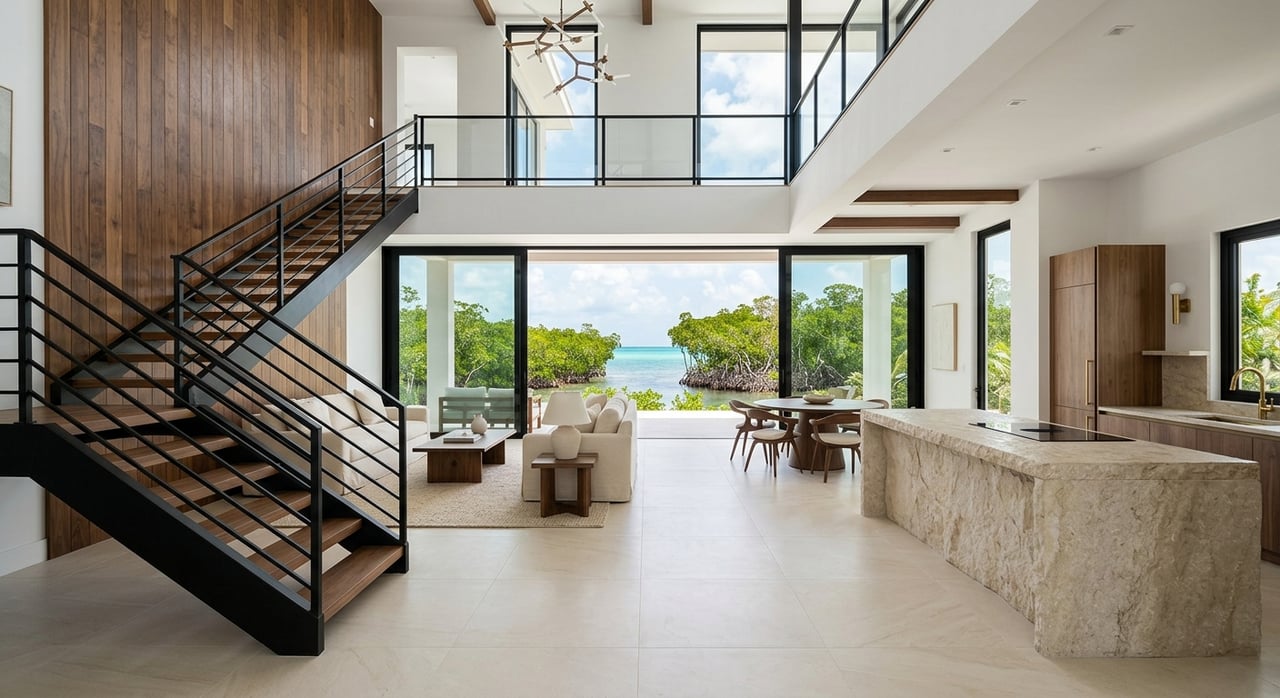
Buying A Key Largo Vacation Home With Rental Potential
July 16, 2026
July 16, 2026
Dreaming about a Key Largo getaway that can also help offset ownership costs? You are not alone. Many buyers are drawn to the idea of a second home in the Keys, only to realize that rental potential depends on much more than a pretty view and a dock. If you want to buy wisely, it helps to understand the local rules, carrying costs, and property details before you fall in love with a house. Let’s dive in.
Key Largo offers a mix of lifestyle and rental appeal that is hard to ignore. As the first and northernmost Florida Key, it sits about an hour from Miami and is closely tied to snorkeling, diving, fishing, eco-tours, beaches, and waterfront dining.
That destination identity matters when you are buying a vacation home with rental potential. The same features that make Key Largo enjoyable for your own use, like water access, outdoor living, and a true resort feel, can also make the property more appealing to guests.
A Key Largo vacation home is often both a personal retreat and an income-producing property. That means you need to evaluate it through two lenses at once.
You may picture sunrise coffee by the water and easy weekends in the Keys. At the same time, you also need to think about zoning, permits, insurance, taxes, and how easily the home can handle guest turnover.
Before you focus on finishes, views, or even rental income projections, ask whether vacation rentals are allowed at the property. In Monroe County, a vacation rental is defined as a dwelling unit rented for less than 28 days.
Not every area in unincorporated Monroe County allows vacation rentals. Some zoning districts prohibit them, while others may allow them only with a special permit. Monroe County also notes that some locations may be permitted only in gated communities with controlled access and an association that regulates and manages rentals.
This is why zoning should be your first screening step, not an afterthought. A beautiful home is not automatically a good rental candidate if the local rules do not support your plan.
If you plan to rent the home as a vacation rental, Monroe County requires an annual special vacation rental permit for each unit unless an exemption applies. The county’s current application materials show a $490 initial permit fee and a $100 renewal fee.
The permit process also includes fire and life safety inspections for both initial and renewal permits. Just as important, the permit does not transfer when ownership changes. If a seller has rented the property before, do not assume you can simply step into that same approval status after closing.
Monroe County also requires each vacation rental unit to have a special vacation rental manager license. For buyers, that means the compliance picture goes beyond the home itself and into how the rental will actually be operated.
A purchase is only the beginning of the operating process. Monroe County says all rental properties must obtain a local business tax receipt, whether the rental is daily, weekly, monthly, or yearly.
If you rent for six months or less, Monroe County requires a tourist development tax account. The county’s tourist development tax is 5% of the rental amount, and Florida taxes transient rentals at 6% unless the lease is a bona fide written continuous-residence lease longer than six months.
Monroe County also states that these taxes are not automatically remitted by Airbnb, VRBO, or similar platforms. The homeowner remains responsible for remittance. The county further notes that mandatory guest charges, including cleaning, pet, processing, and similar fees, are part of taxable revenue.
Not every buyer wants a pure short-term rental model. Some owners prefer seasonal or longer leases that reduce turnover and simplify operations.
Florida law exempts a bona fide written agreement for continuous residence longer than six months from transient-rental tax. If your goals lean more toward seasonal use and less toward frequent guest stays, that may shape the type of property and lease structure you pursue.
Because the legal and tax treatment changes with rental length, it is smart to discuss your intended use with a tax professional before you buy. A clear plan on the front end can help you avoid expensive surprises later.
In Key Largo, flood risk is not a side issue. Monroe County says all of the county is in a floodplain, with base flood elevations ranging from 6 to 17 feet above mean sea level.
The county also makes clear that flood damage is not covered by homeowner’s insurance. That is why buyers should request flood-zone information early, obtain flood insurance quotes before closing, and plan for possible mitigation measures where needed.
In practical terms, flood risk should be part of your first screening process. It affects insurability, carrying costs, and long-term ownership comfort, whether the property is for personal use, rental use, or both.
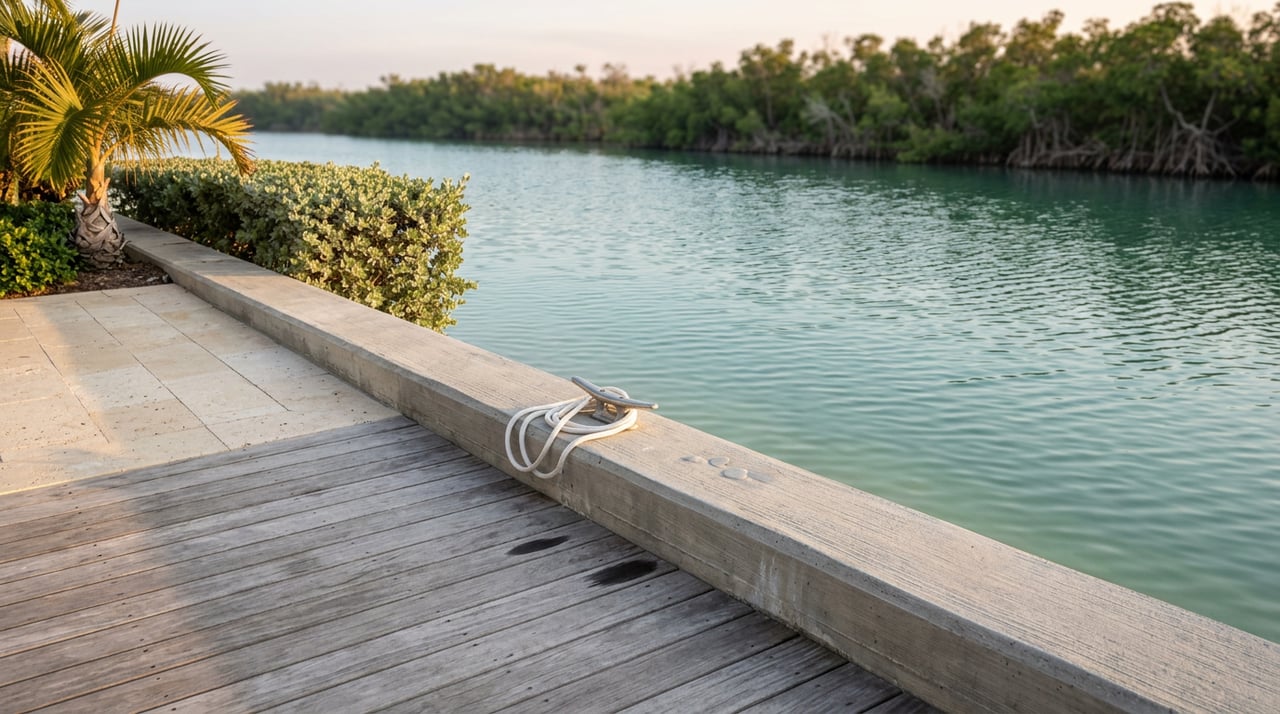
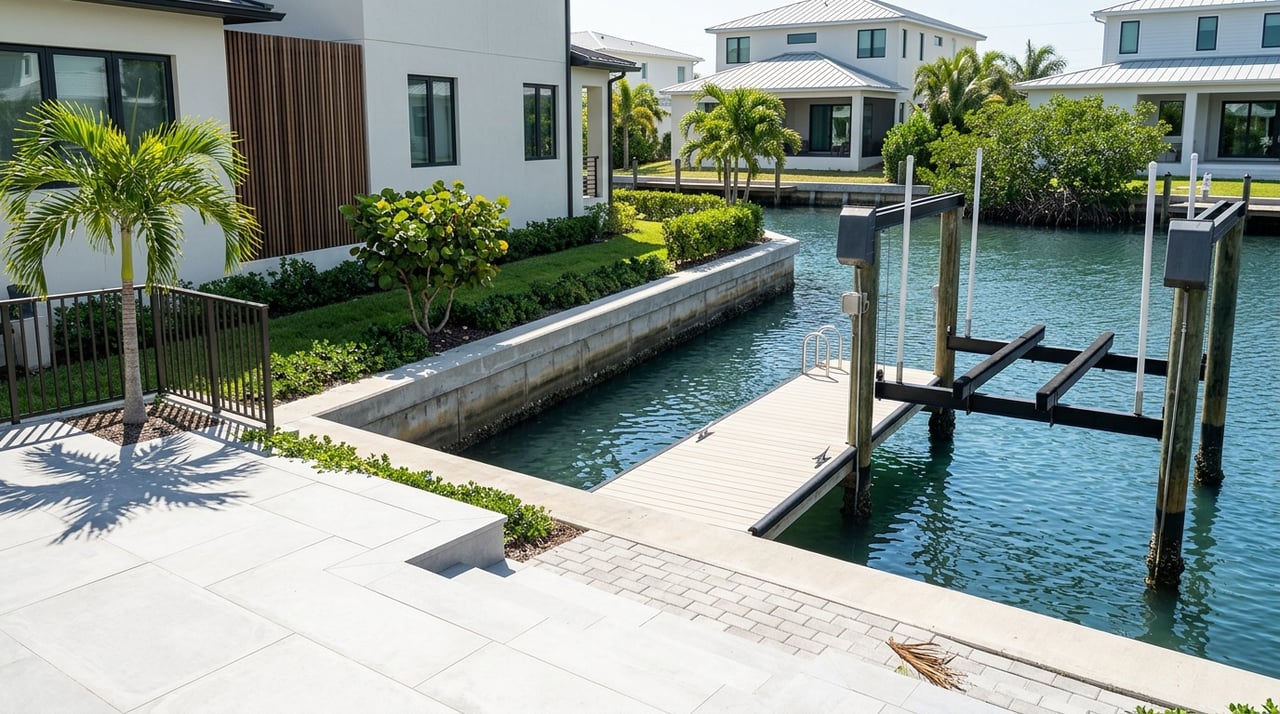
In the Keys, boating access can be a major part of a home’s appeal. A dock, seawall, or boat lift may strengthen the property’s lifestyle value and rental story, but only if the improvements are properly documented.
Monroe County’s building department says permits can involve planning, environmental, structural, plumbing, mechanical, electric, floodplain, and fire review. The county also has a specific work-over-water notice for permits involving docks, seawalls, and boat lifts.
Some dock changes may also require a special exception application with added notice requirements. For that reason, you should treat unverified marine improvements as a risk, not an asset, until the permit history is confirmed.
A successful vacation home is not always the one with the flashiest design. Often, the better fit is the property that is easier to maintain, easier to insure, and easier to enjoy without constant upkeep.
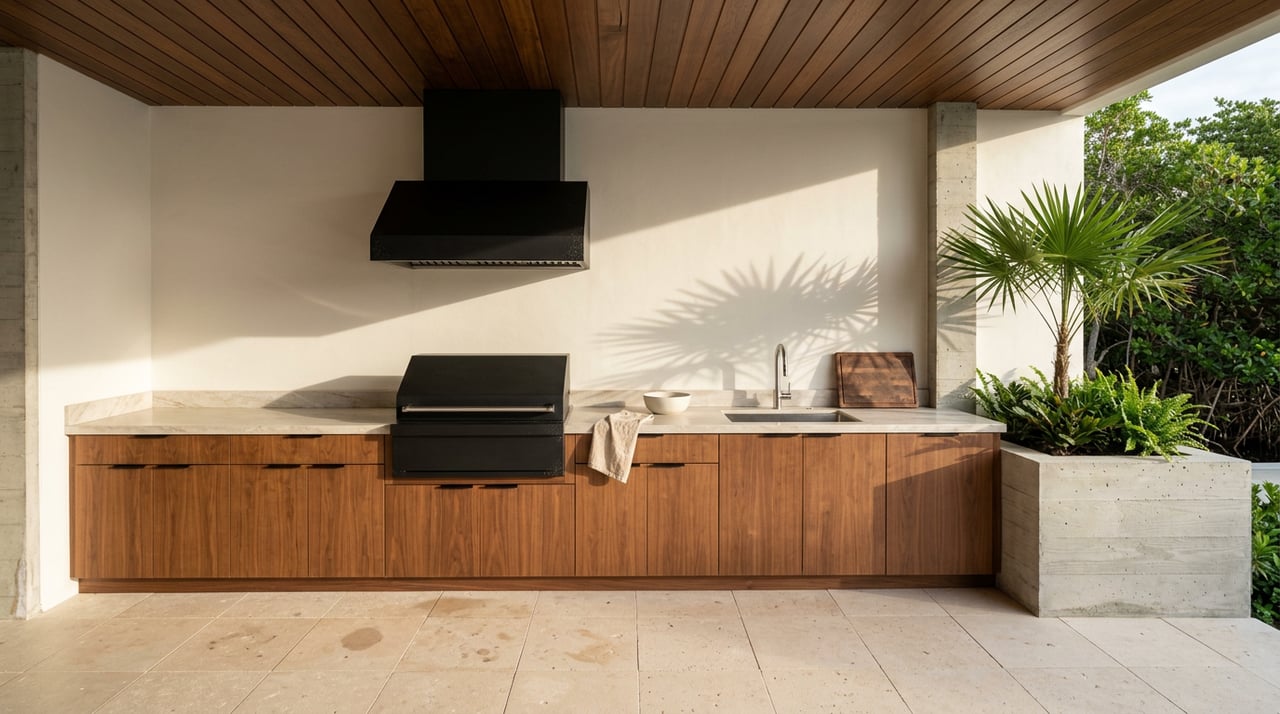
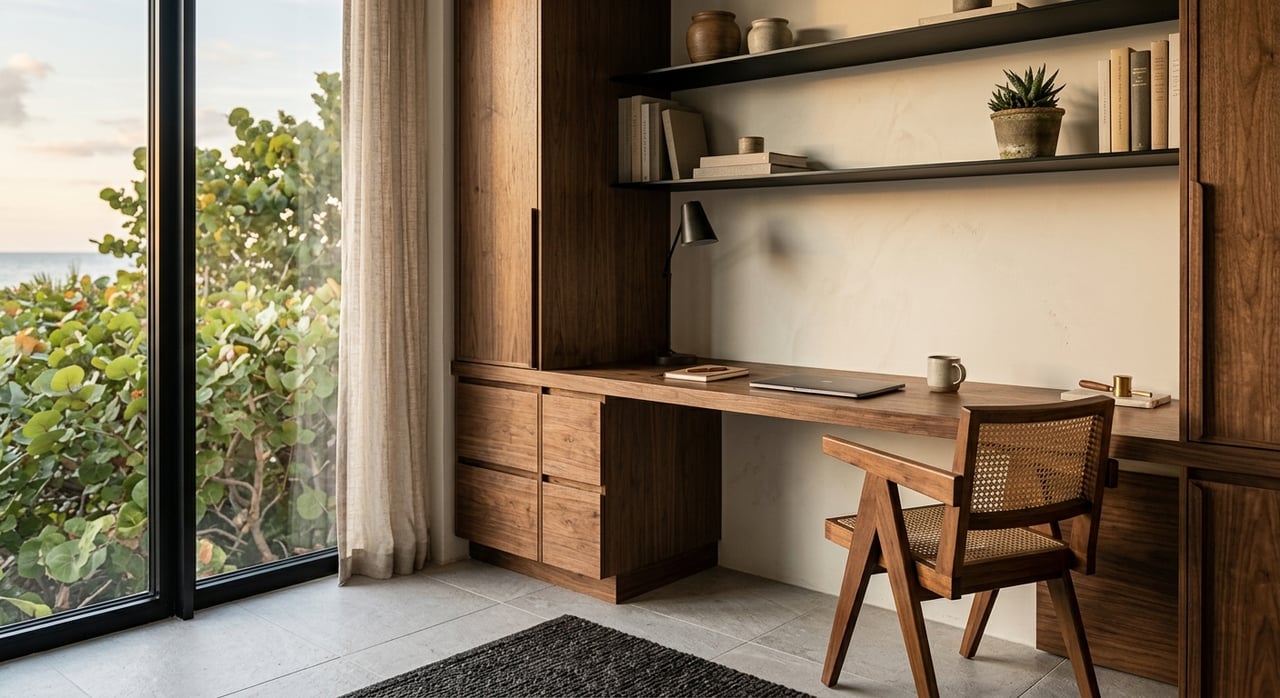
Practical features can make a real difference. Flexible sleeping areas, durable finishes, easy-clean flooring, adequate parking, owner storage, and outdoor spaces that can handle guest use all support smoother turnover and better day-to-day ownership.
These are not legal requirements, but they matter. A home that works well operationally is usually easier to keep rentable and more enjoyable for you to use personally.
If you expect rental income, your bookkeeping strategy should begin before the first guest arrives. The IRS says residential rental income and expenses are generally reported on Schedule E, and good records are essential.
The IRS also notes that personal use of a dwelling unit you rent can limit deductions and losses. If you plan to enjoy the home part of the year and rent it during other periods, tracking personal-use days becomes especially important.
A separate property bookkeeping system can help keep things clear. Many buyers benefit from deciding in advance how they will track expenses, depreciation, rental revenue, and personal-use days.
If you are thinking long term, tax classification matters too. Florida law says that renting all or substantially all of a dwelling previously claimed as homestead constitutes abandonment of the homestead for tax purposes, subject to the statute’s timing rule and exception.
That does not affect every second-home buyer, but it can matter if your plans change over time. If you may shift between personal use and rental use, it is worth getting tax guidance early so your ownership strategy matches your goals.
Before you move forward on a Key Largo vacation home with rental potential, keep this checklist in mind:
In this market, the strongest opportunities are often the ones with fewer unknowns. A home with clear rental legality, documented improvements, understandable carrying costs, and manageable flood exposure is usually a better choice than a prettier property with unanswered questions.
That is especially true in Key Largo, where waterfront ownership can be rewarding but also more complex. The goal is not just to buy a beautiful home. It is to buy a property that supports your lifestyle and makes sense as a regulated rental asset.
If you are weighing vacation use, boating needs, flood considerations, and rental rules all at once, local guidance can make the process much clearer. For tailored advice on finding the right fit in the Upper Keys, connect with Sally Stribling Luxury Group.
Stay up to date on the latest real estate trends.


We pride ourselves in providing personalized solutions that bring our clients closer to their dream properties and enhance their long-term wealth. Contact us today to find out how we can be of assistance to you!